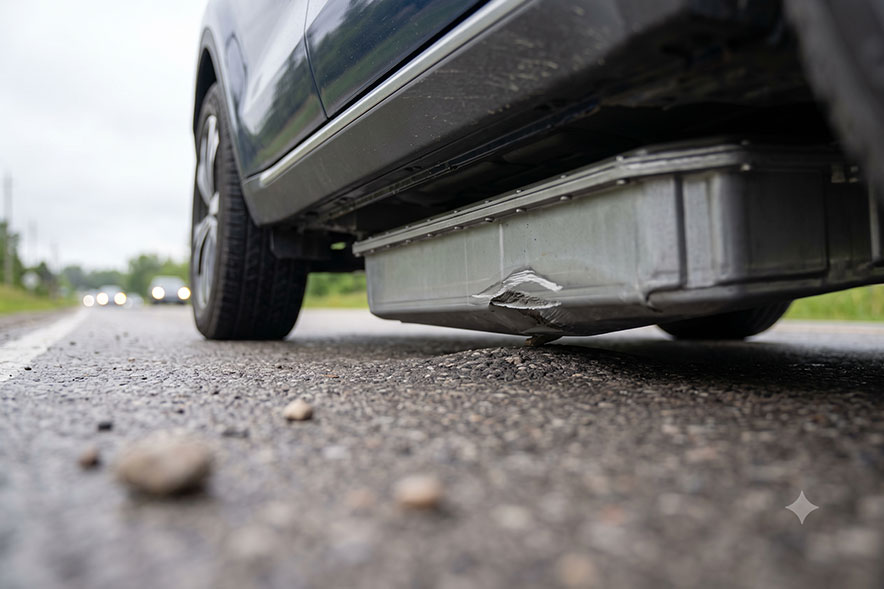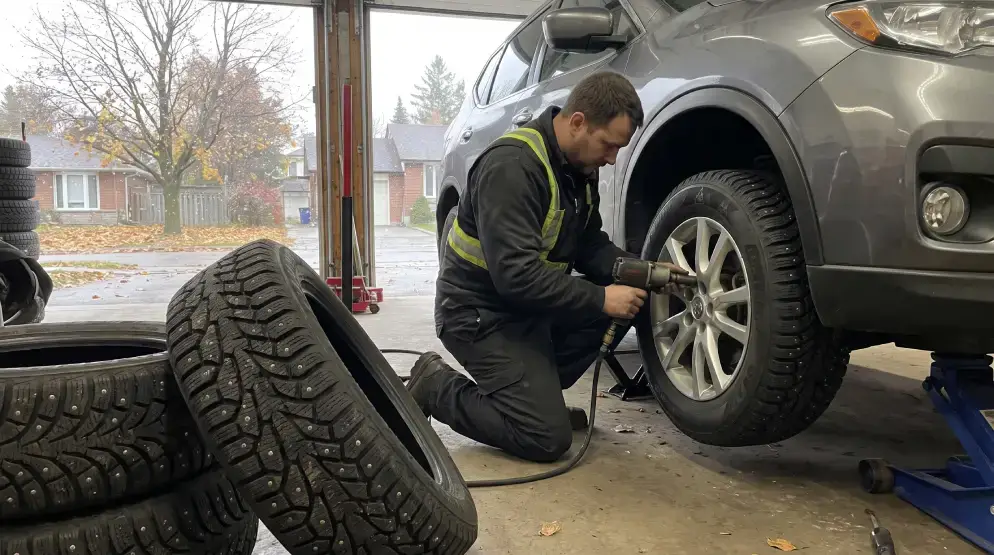
November has arrived, and freezing weather is right around the corner across Ontario. Therefore, now is the ideal time to review your vehicle setup before heavy cold snaps hit. Many local motorists continue to rely on all season tires throughout the year. However, trusting year-round tread during cold Canadian months creates serious safety risks.
Understanding the critical differences between tire types helps protect your family. Additionally, proactive vehicle maintenance improves overall winter driving safety and prevents costly collisions.
Read our guide below to get your vehicle ready for the 2026/2027 season.
Why Temperature Dictates When to Install Winter Tires in Ontario
Many drivers wait for heavy snow accumulation before booking a garage appointment. However, dropping ambient air temperatures affect rubber elasticity long before snow falls on the highway.
Standard all season tires begin hardening as soon as outdoor temperatures drop below 7°C. Consequently, stiff tread loses traction on dry and wet pavement quickly. In contrast, dedicated winter tires in Ontario use flexible compound blends that remain soft in severe freezing conditions. Because the rubber stays pliable, your vehicle maintains optimal road grip on freezing asphalt.
Comparing Stopping Distances for Winter Driving Safety
Traction directly influences how quickly your vehicle stops during sudden emergency braking. Consequently, ice, slush, and freezing rain increase stopping distances significantly.
Stopping Distance at 50 km/h on Icy Roads:
——————————————————
Winter Tires | [==========] 28 meters
All-Season Tires | [==================] 48 meters
——————————————————
Recent road testing proves that winter tires in Ontario shorten icy stopping distances by up to 40 percent. Prioritizing winter driving safety gives you the crucial extra space needed to prevent rear-end collisions at slippery intersections.
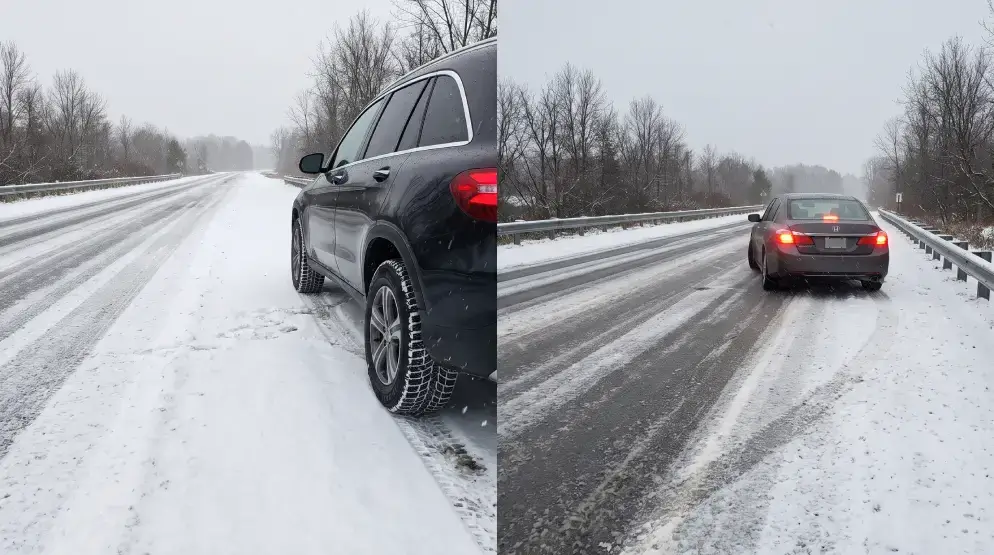
Identifying Certified Winter Tires in Ontario Ratings
Not all seasonal tires deliver equal protection during severe cold weather. Basic tires feature M+S (Mud and Snow) markings on the rubber sidewall. However, this designation only reflects geometric tread pattern spacing rather than real cold-weather traction testing.
Instead, certified winter tires in Ontario display the official 3-Peak Mountain Snowflake (3PMSF) emblem. This symbol guarantees the tire meets rigorous Canadian traction standards on packed snow and ice. Therefore, verify your tires feature this rating before driving in winter conditions.
How Winter Tires in Ontario Qualify You for a Winter Tire Discount
Driving on icy roads without proper cold-weather equipment increases your overall risk of an at-fault accident. In Ontario, an at-fault accident remains on your insurance record for years, leading to higher monthly rates.
Fortunately, installing seasonal tires reduces accident risks while saving you money. Most auto insurance companies offer a mandatory winter tire discount ranging from 2% to 5% off your policy premiums.
To learn more about securing your winter tire discount or reviewing your auto policy before snow arrives, contact the team at AIA Insurance Brokers today. Our experienced local brokers will help you find the best vehicle coverage and savings for the upcoming season.
Prepare Your Vehicle Before the First Snowfall
Selecting dedicated cold-weather tires ensures superior vehicle handling, shorter stopping distances, and peace of mind. Swapping your tires before temperatures drop below 7°C protects your family, your vehicle, and your auto insurance standing.
Official Source References and Links
**Government of Ontario:** [Winter Driving Guidelines and Safety Tips] – Official advice from the Ministry of Transportation on tire safety, seasonal prep, and winter driving conditions.
**Transport Canada:** [Using Winter Tires & Cold Weather Performance] – Safety standards, tread wear thresholds, and the 3-Peak Mountain Snowflake (3PMSF) rating guidelines.
**Tire and Rubber Association of Canada (TRAC):** [Canadian Consumer Winter Tire Report] – Research on driver safety statistics, stopping distances, and temperature threshold performance (+7°C rule).